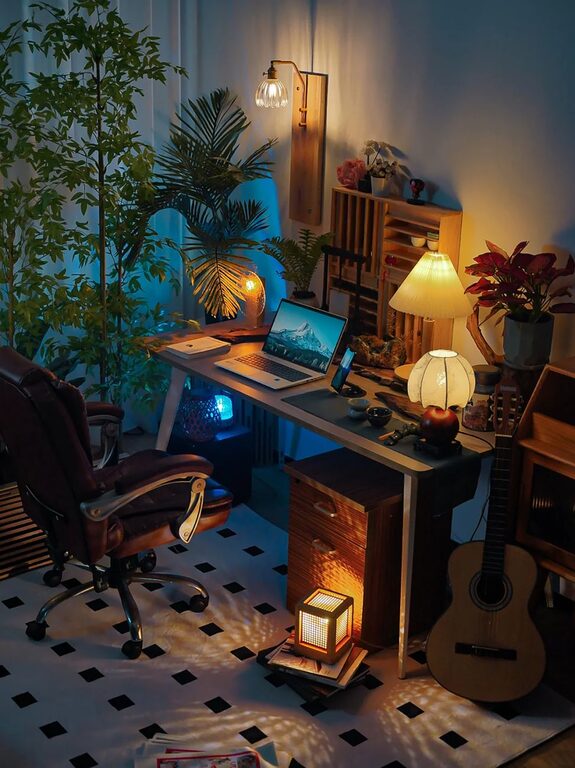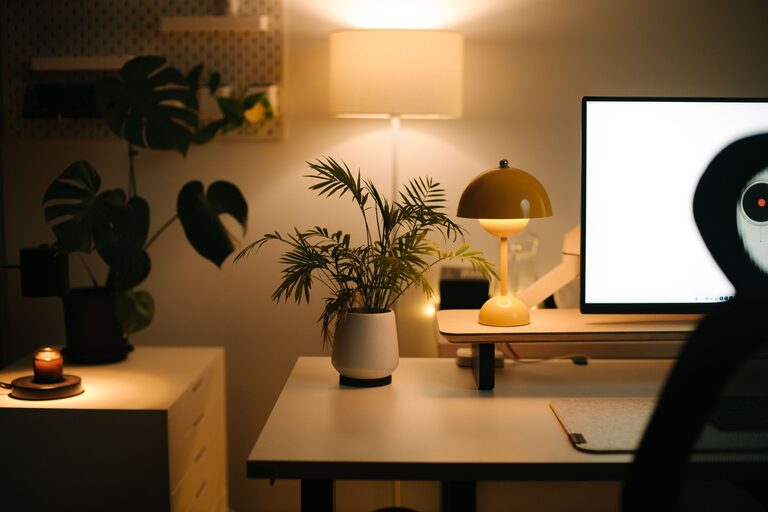

Creating a cozy and productive home workspace is more important than ever, as many people find themselves working remotely. The right environment can boost your focus, creativity, and overall work satisfaction. Whether you have a dedicated room or just a small corner, these tips will help you design a workspace that feels inviting and supports your productivity.
Choose the Right Location
Selecting the right spot in your home is a crucial first step. Ideally, your workspace should have minimal distractions and good natural light. Consider these points when picking a location:
– Quiet Area: Find a space with less foot traffic or noise, like a spare room or a quiet corner.
– Natural Light: Position your desk near a window to benefit from daylight, which improves mood and energy.
– Adequate Space: Ensure enough room for your desk, chair, and any tools or equipment you regularly use.
Invest in Comfortable Furniture
Comfort is key to maintaining focus during long work hours. Choosing the right furniture can prevent discomfort and even health issues.
– Ergonomic Chair: A chair that supports your lower back and promotes good posture helps reduce strain.
– Appropriate Desk Height: Your desk should allow your forearms to rest comfortably while typing or writing.
– Adjustable Features: If possible, choose chairs and desks that can be adjusted to fit your body’s needs.
Optimize Lighting
Good lighting reduces eye strain and creates a welcoming atmosphere.
– Use Layered Lighting: Combine overhead lights with task lighting like desk lamps.
– Opt for Soft, Warm Light: Warm light tones tend to feel cozier than harsh white light.
– Avoid Glare: Position your screen and lights to minimize reflections or glare.
Keep Your Workspace Organized
A clutter-free space helps you focus and reduces stress.
– Declutter Regularly: Clear away unnecessary papers, gadgets, and supplies.
– Use Storage Solutions: Shelves, baskets, and drawer organizers keep essentials tidy.
– Create Zones: Designate areas for different tasks, such as a reading nook or supply storage.
Add Personal Touches
Personalizing your workspace makes it feel inviting and can boost your mood.
– Incorporate Plants: Greenery adds life and can improve air quality.
– Display Inspiring Items: Photos, artwork, or motivational quotes create a positive vibe.
– Choose Comfortable Textiles: Cushions or rugs add warmth and softness to the space.
Minimize Distractions
Staying focused is easier when you control your environment.
– Use Noise-Canceling Headphones: These can help block out household sounds.
– Create a Routine: Having regular working hours signals to others when you are not to be disturbed.
– Limit Technology Interruptions: Turn off non-work notifications during focused periods.
Incorporate Technology Wisely
Efficient technology setup can enhance your workflow.
– Invest in Reliable Equipment: A good computer, keyboard, and mouse make tasks easier.
– Use Cable Management: Keep cords organized to avoid tangles and clutter.
– Utilize Productivity Apps: Tools for task management and communication can keep you on track.
Promote Healthy Habits
Your workspace should support your well-being, which in turn improves productivity.
– Take Regular Breaks: Stand up, stretch, or walk around every hour.
– Stay Hydrated: Keep a water bottle nearby to remind you to drink fluids.
– Adjust Temperature and Ventilation: Keep your space comfortable with good air flow.
Final Thoughts
Designing a home workspace that is both cozy and productive involves thoughtful choices in location, furniture, lighting, and organization. Personal touches and healthy habits further enhance your work experience. By implementing these tips, you can create a space that helps you focus, feel comfortable, and enjoy your work-from-home routine.
About the Author