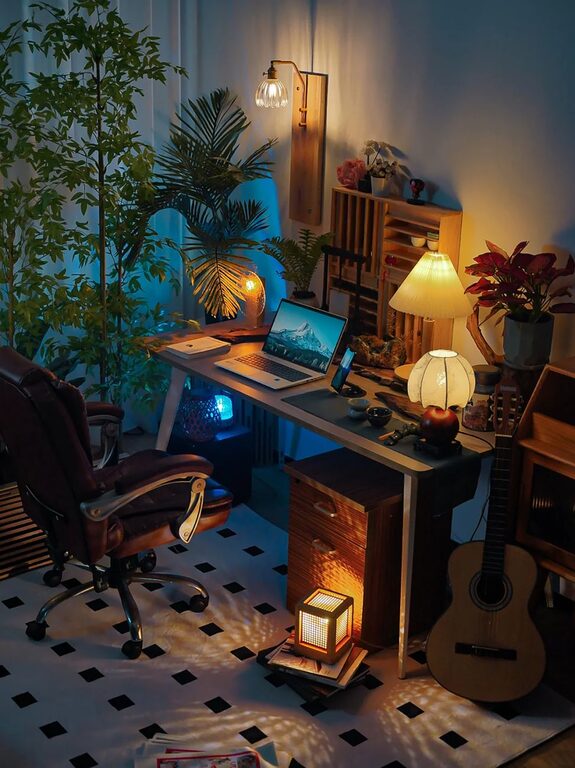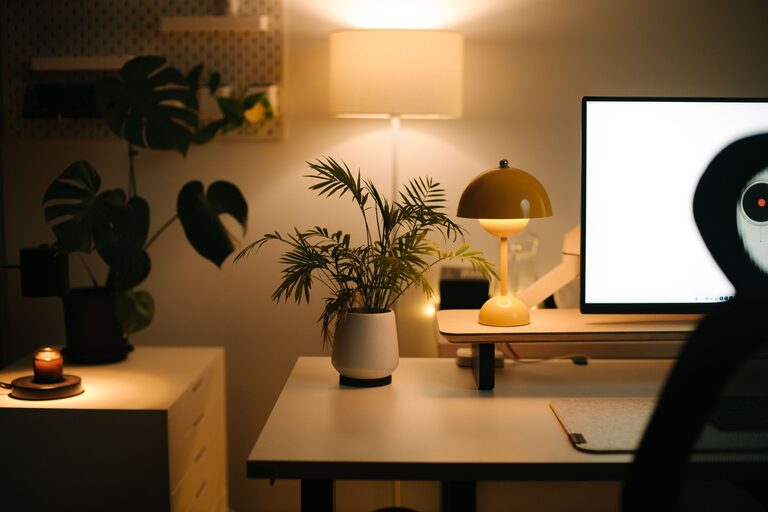
Creating a home office that is both cozy and productive is essential for anyone who works remotely or frequently from home. A well-designed workspace can boost your focus, reduce stress, and make your workday more enjoyable. Whether you have a dedicated room or just a small corner, these tips will help you set up a functional and inviting home office.
Choose the Right Location
One of the first steps in creating a cozy and productive home office is selecting the best spot in your home. Ideally, pick a quiet area with minimal distractions. Near natural light is a plus because sunlight can improve mood and energy levels.
Consider These Factors:
– Privacy: Find a space where you won’t be frequently interrupted.
– Lighting: Natural light is best; if unavailable, use warm, adjustable lighting.
– Ventilation: Fresh air helps improve concentration and comfort.
– Space: Ensure enough room for your desk, chair, and storage needs.
Invest in Comfortable and Functional Furniture
Your furniture choices play a big role in productivity and comfort. An ergonomic chair and a sturdy desk not only support good posture but also help prevent aches and pains.
Furniture Tips:
– Choose a chair with adjustable height and lumbar support.
– Pick a desk at a comfortable height and with enough surface area.
– Consider a standing desk or a sit-stand converter to alternate positions.
– Use storage solutions like shelves, drawers, or organizers to keep essentials nearby.
Create an Organized and Clutter-Free Environment
Clutter can be distracting and make it harder to focus. Keeping your workspace organized means you can find what you need quickly and work more efficiently.
Organization Ideas:
– Use cable management tools to keep cords tidy.
– Label drawers and containers.
– Keep only essentials on your desk.
– Dedicate storage space for documents, office supplies, and gadgets.
Personalize Your Space for Comfort and Inspiration
Adding personal touches can make your office feel inviting and motivate you to spend time there. However, avoid overdecorating to prevent clutter.
Ways to Personalize:
– Add plants to improve air quality and add a sense of calm.
– Hang artwork or photos that inspire you.
– Use colors that make you feel relaxed and focused, such as soft blues or greens.
– Invest in a cozy throw or cushion for added comfort.
Optimize Lighting for Productivity
Lighting affects your energy and eye comfort. Poor lighting can cause headaches and fatigue, while proper lighting can enhance focus.
Lighting Tips:
– Maximize daylight by placing your desk near windows.
– Use a mix of ambient lighting and task lamps.
– Choose bulbs with a color temperature around 4000K for a balance between warm and cool light.
– Reduce screen glare with blinds or curtains.
Minimize Noise Distractions
Depending on your living situation, noise can be a major disruption. Creating a quiet environment supports concentration.
Noise-Reducing Tips:
– Use noise-canceling headphones or earbuds.
– Play soft background music or white noise if it helps you focus.
– Add rugs or curtains for sound absorption.
– Close doors to minimize household noise.
Create a Routine and Define Boundaries
A physical space alone is not enough. Clear boundaries between work and home life help you stay productive without burnout.
Routine Tips:
– Set regular work hours and take breaks like you would in an office.
– Use a sign or signal to indicate when you’re working, especially if sharing space.
– Keep work materials organized so you can “pack up” at day’s end.
– Take short walks or stretch to refresh your mind and body.
Use Technology to Your Advantage
Proper technology setup can improve workflow and reduce frustration.
Technology Setup Ideas:
– Invest in a good quality monitor for better viewing comfort.
– Use a reliable internet connection to avoid disruptions.
– Employ productivity apps and tools to manage tasks.
– Keep backup devices or chargers handy.
Maintain Your Workspace
Regular cleaning and maintenance are key to keeping your home office inviting and functional.
Maintenance Tips:
– Dust surfaces and electronics weekly.
– Declutter regularly to prevent accumulation.
– Check ergonomic setup every few months.
– Refresh decor occasionally to keep the space inspiring.
—
Designing a cozy and productive home office is an ongoing process that reflects your needs and preferences. By focusing on comfort, organization, lighting, and personalization, you can create a workspace that supports your best work and makes your home office a place you enjoy spending time in.
About the Author