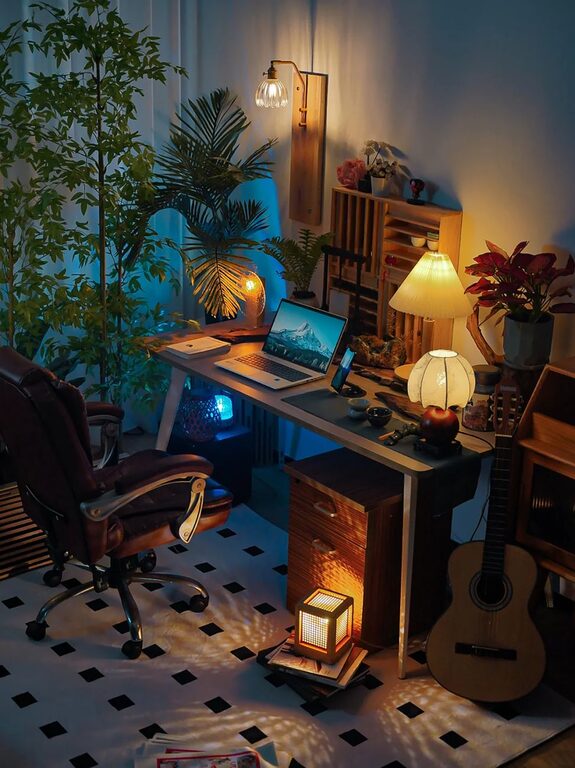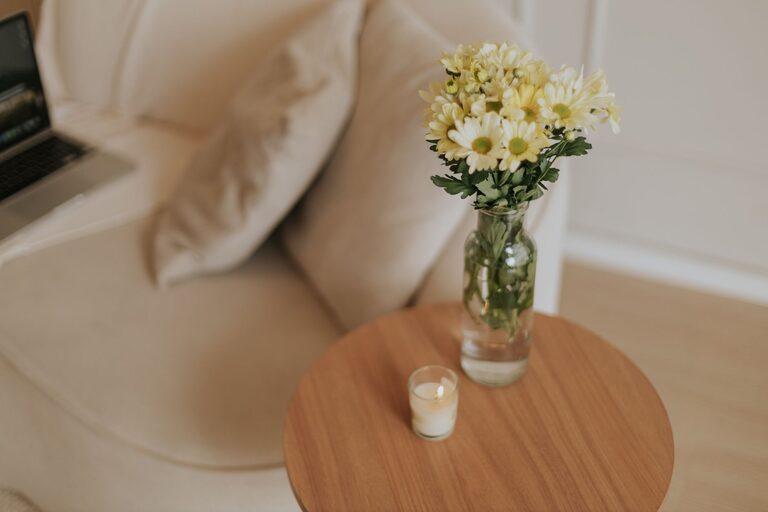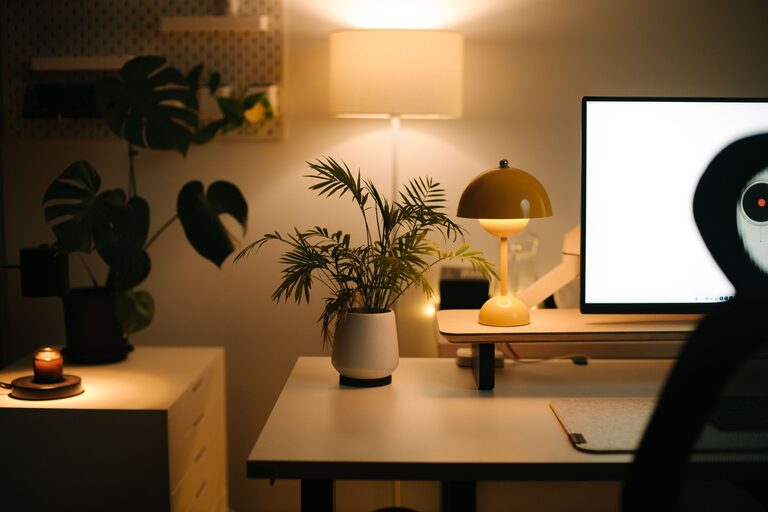

Creating a productive home workspace starts with designing a relaxing environment where you can focus and feel comfortable. Whether you work remotely full-time or occasionally, your workspace plays a crucial role in your efficiency and well-being. This guide offers practical tips to help you build a calming home workspace that supports your productivity.
Why a Relaxing Workspace Matters
A workspace that promotes relaxation isn’t about avoiding work. Instead, it’s about creating a setting where stress is minimized, and focus is maximized. When you feel calm and comfortable, your mind can work more clearly, creativity flows better, and burnout is less likely.
Benefits of a Relaxing Workspace
– Increased concentration and efficiency
– Reduced stress and anxiety
– Better mental and physical comfort
– Enhanced motivation and work satisfaction
Choosing the Right Location
Whether you have a spare room or a small corner, selecting the right spot for your workspace is the first step.
Tips for Location Selection
– Natural Light: Choose a space near a window if possible. Natural light boosts mood and energy.
– Quiet and Private: Find a quiet area where you won’t be easily disturbed.
– Dedicated Space: Even a dedicated corner makes it easier to mentally separate work from relaxation time.
Designing Your Workspace for Relaxation and Function
Your workspace should balance comfort with functionality.
Comfortable Furniture
– Ergonomic Chair: Invest in a chair that supports your posture, reducing strain on your back and neck.
– Appropriate Desk Height: Your desk should allow your elbows to bend at about 90 degrees when typing.
– Adjustable Setup: Consider monitor stands or laptop risers to keep screens at eye level.
Declutter and Organize
– Minimal Items: Keep your desk surface clean and uncluttered.
– Storage Solutions: Use shelves, drawers, or boxes to organize papers and supplies.
– Cable Management: Tidy up cables with clips or sleeves to reduce distraction.
Soothing Colors and Décor
– Choose Calming Colors: Shades like soft blues, greens, or neutral tones can create a tranquil atmosphere.
– Personal Touches: Add artwork or plants to personalize your space and boost mood.
– Avoid Overcrowding: Don’t overcrowd the area with too many decorations that can distract you.
Lighting for Comfort and Focus
Lighting affects how you feel and work.
Effective Lighting Tips
– Use Natural Light: Position your desk near a window to make the most of daylight.
– Layer Lighting: Combine overhead lights with desk lamps to reduce eye strain.
– Warm Light Bulbs: Soft, warm light helps create a relaxing mood, especially in the afternoon or evening.
Incorporate Elements That Promote Calm
Adding simple elements can make your workspace a more peaceful place.
Ideas to Enhance Relaxation
– Indoor Plants: Plants improve air quality and add a touch of nature.
– Aromatherapy: Diffusing essential oils like lavender can reduce stress.
– Sound Management: Use noise-cancelling headphones or play soft background music or white noise.
Establish Clear Boundaries and Routines
Creating rituals and boundaries helps maintain a productive workspace mindset.
Tips for Work-Life Balance
– Set Work Hours: Stick to a schedule to avoid overworking.
– Take Breaks: Use techniques like the Pomodoro method to rest regularly.
– End-of-Day Routine: Develop a routine to signal the end of the workday, helping you disconnect.
Keep Technology User-Friendly
Technology is essential, but complex setups can cause frustration.
Tech Tips
– Reliable Equipment: Use a dependable computer and fast internet connection.
– Wireless Devices: Wireless keyboards and mice reduce clutter.
– Regular Updates: Keep software updated to avoid interruptions.
Maintain Your Space Regularly
A relaxing workspace needs upkeep.
Maintenance Tips
– Daily Tidying: Spend a few minutes each day putting things back in place.
– Weekly Cleaning: Dust and wipe your desk and electronics regularly.
– Refresh Décor: Change small elements, like plants or artwork, to keep the space inspiring.
Final Thoughts
Creating a relaxing home workspace doesn’t require a complete overhaul. By focusing on comfort, organization, and calming elements, you can transform your work area into a spot where productivity thrives naturally. Start with small changes and adjust your space to what feels most relaxing and efficient for you.
Remember, your workspace should be a place where work feels manageable—not overwhelming. Happy creating!
About the Author